20 Oct 2026
Atmospheric Variables Reshaping Form Assessments in Equine Events and Their Carryover Effects on Racket Sport Live Markets Within Layered Bet Structures
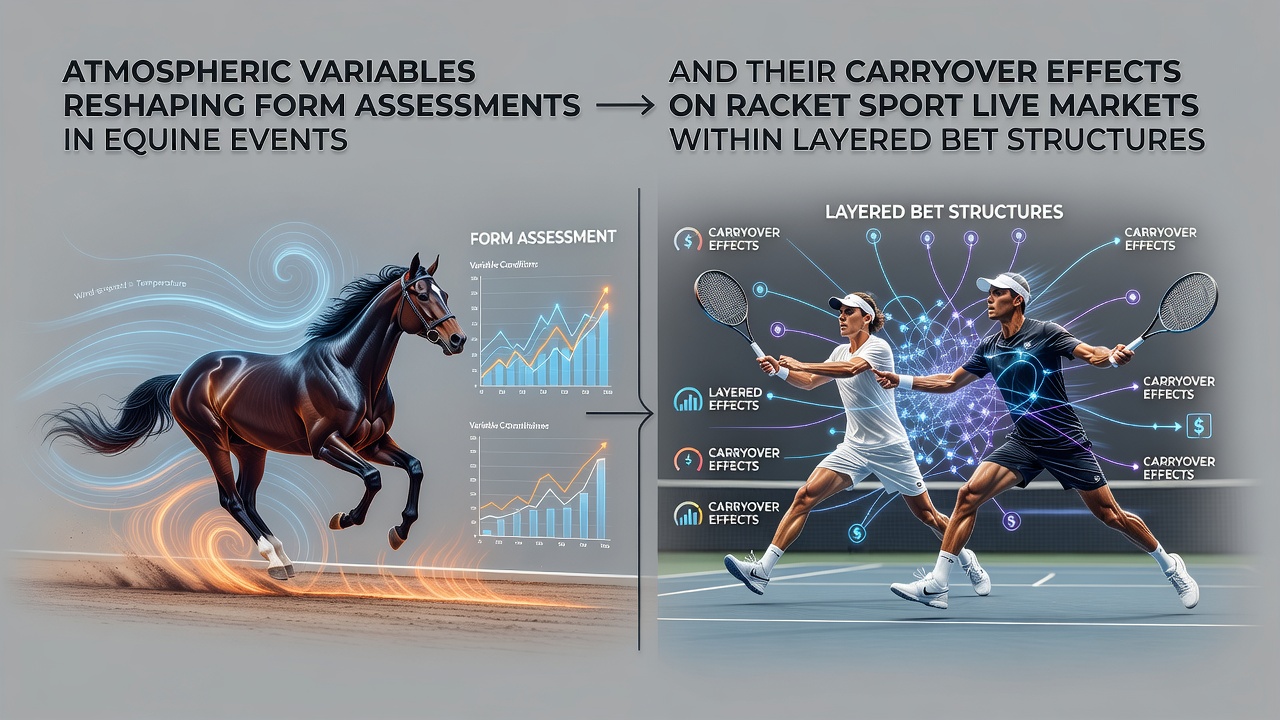
Atmospheric conditions including wind speed, temperature fluctuations, humidity levels, and precipitation patterns alter track surfaces and equine physiology in measurable ways according to data collected by racing authorities across multiple jurisdictions, and these shifts prompt analysts to revise pre-event form evaluations that then ripple into multi-leg betting frameworks combining equine results with live tennis exchanges.
Atmospheric Factors in Equine Performance Data
Researchers at institutions such as the Australian Bureau of Meteorology have documented how sustained winds above 25 kilometers per hour increase energy expenditure for horses running on turf, while rapid temperature drops below 10 degrees Celsius tighten muscle response times and change stride patterns recorded in official timing systems. Precipitation that raises soil moisture content by 15 percent or more modifies ground hardness ratings published by track officials, and these updated figures feed directly into statistical models used by form compilers who recalibrate expected finishing positions for subsequent meetings.
Observers tracking October 2026 meetings noted consistent adjustments after morning showers softened ground at several European venues, and those revisions altered the weighting given to recent workout times when layered bets incorporated both equine legs and racket sport live markets that remained open during overlapping time windows.
Form Reassessment Protocols and Market Feedback Loops
Form assessment teams incorporate real-time meteorological readings into algorithms that adjust pace expectations and stamina projections, and the resulting changes appear in updated probability distributions released hours before race starts. When these distributions shift by more than eight percent for key contenders, automated systems in layered accumulator platforms flag corresponding movements in correlated tennis live odds because operators maintain cross-sport hedging rules designed to balance exposure across simultaneous events.
One documented sequence from mid-October 2026 showed wind gusts delaying a major flat race card, prompting immediate downward revisions for front-running types, while tennis match odds in the same accumulator product tightened for players whose styles favored longer rallies because market makers anticipated slower overall turnover that extended play durations.
Carryover Dynamics in Layered Bet Structures
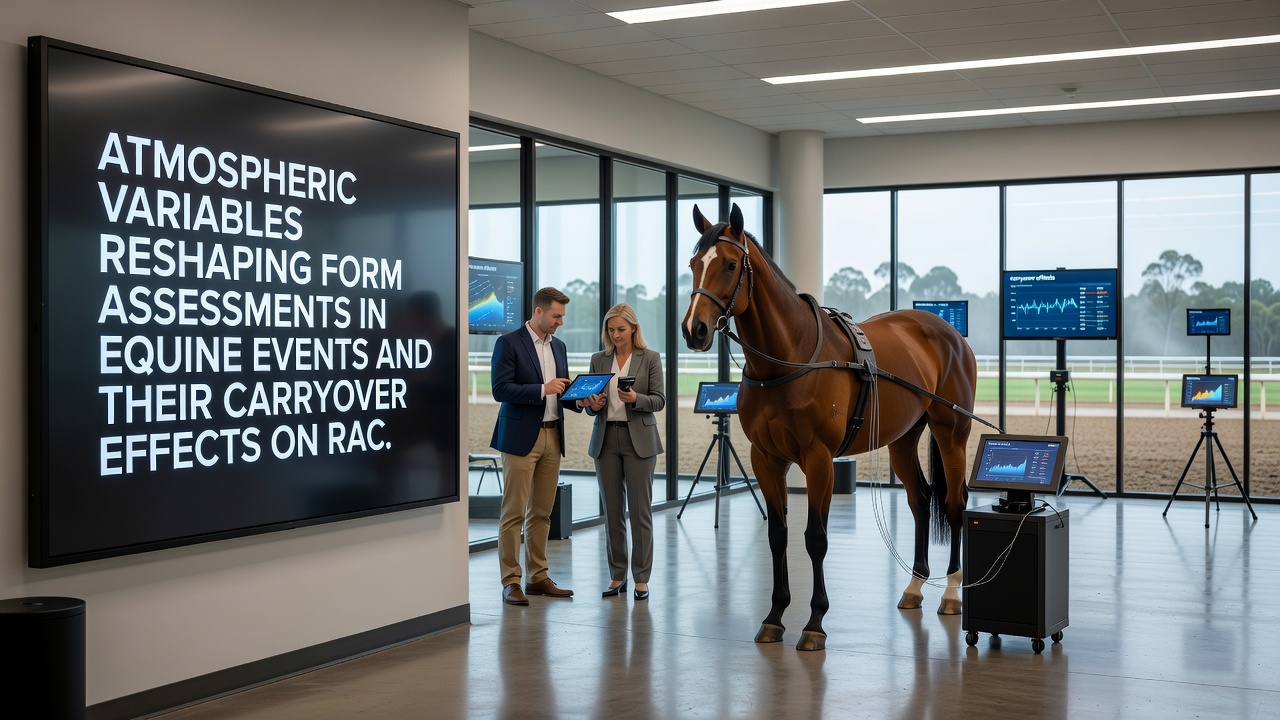
Layered bet structures link equine outcomes to racket sport live markets through conditional multipliers that activate only when specific performance thresholds are met, and atmospheric variables that reshape equine probabilities therefore modify the implied value of remaining legs even before those events begin. Data from industry reports compiled by the European Gaming and Betting Association indicate that accumulators spanning three or more disciplines experience volatility spikes of up to 12 percent when weather updates occur within two hours of equine post times, because operators recalibrate tennis in-play pricing to reflect altered risk profiles across the entire ticket.
Those adjustments propagate through live order books where bettors attempt to hedge partial positions, and the resulting price movements create temporary inefficiencies that statistical arbitrage tools detect and highlight for participants monitoring multiple feeds simultaneously.
Cross-Sport Correlation Patterns Observed in 2026
Analysis of October 2026 fixtures revealed that temperature inversions coinciding with equine events produced measurable delays in race scheduling, which extended the window during which tennis live markets operated under reduced liquidity and therefore amplified the influence of any single equine result on the overall payout multiplier. Studies published by university sports science departments have quantified how humidity levels above 70 percent correlate with slower equine recovery intervals between races, prompting form compilers to lower projected speeds for later events on the same card and indirectly tightening live tennis under-over markets in connected accumulators.
Market participants who monitor atmospheric feeds alongside official going reports have recorded instances where a single weather bulletin altered accumulator settlement values by double-digit percentages within a 30-minute window, illustrating the direct transmission path from environmental data to layered product pricing.
Conclusion
Atmospheric variables continue to drive revisions in equine form assessments that transmit measurable effects into racket sport live markets through the mechanics of layered bet structures, and ongoing collection of meteorological and performance data supports increasingly precise modeling of these interconnections across international racing and tennis calendars.