6 Oct 2026
Pathways to Optimized Accumulators: Merging Football Lines, Tennis Probabilities, and Racing Metrics with Layered Bonuses

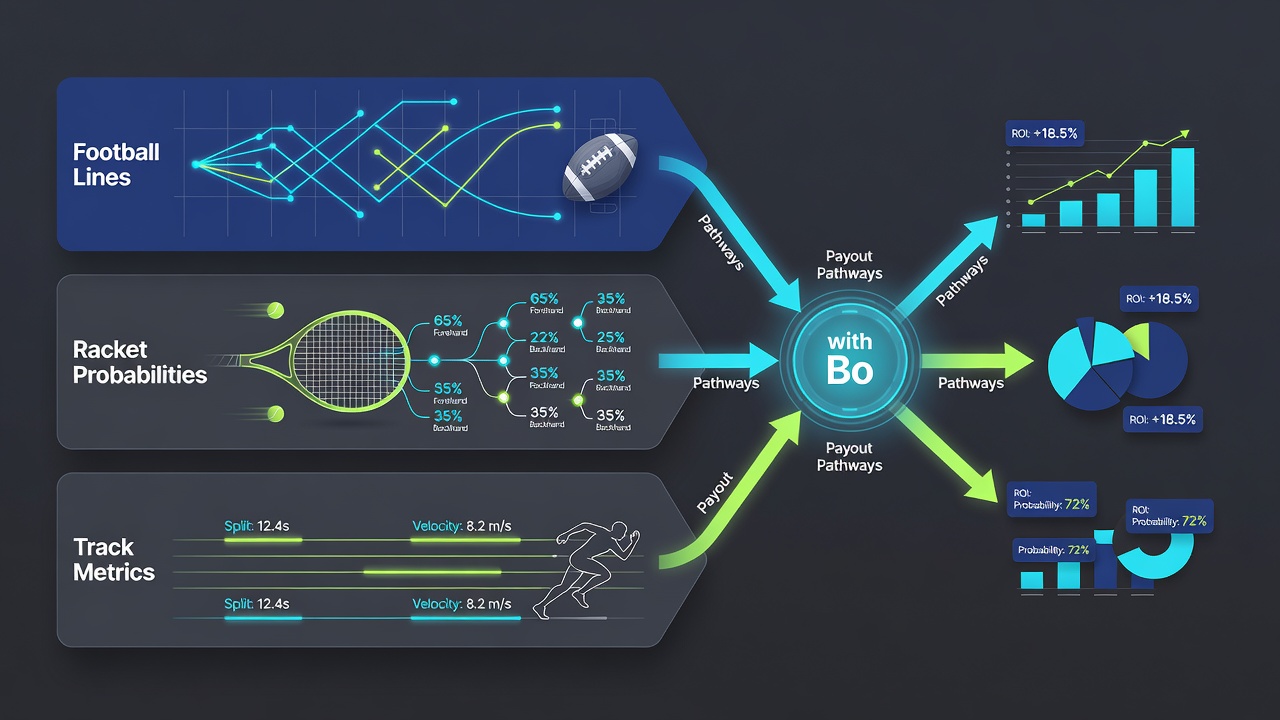
Accumulator optimization draws from multiple sports data streams where football lines provide point spreads and totals, racket probabilities capture serve and return efficiencies in tennis, and track metrics incorporate pace figures along with going conditions in horse racing, while bonus structures add multipliers at payout stages according to data compiled across operator platforms in October 2026.
Core Elements in Multi-Sport Accumulators
Football lines establish baseline expectations through opening odds on match results, over-under totals, and handicap markets that shift with team news and weather reports, whereas tennis probabilities factor in player-specific metrics such as first-serve percentages and break-point conversion rates that live odds adjust during matches, and track metrics include speed ratings, sectional times, and draw biases that influence horse performance on varying surfaces.
These components connect when bettors select legs across disciplines because correlations between events remain low enough to maintain combined odds at attractive levels while bonus structures from operators apply cashback or enhanced returns once a threshold number of legs succeeds.
Layering Football Lines with Racket and Track Data
Operators release football lines early in the week, allowing initial accumulator construction around high-probability selections such as home wins in domestic leagues, and bettors then overlay tennis probabilities derived from head-to-head records and surface preferences to extend the slip into evening matches. Track metrics enter through afternoon racing cards where trainers report stable plans and jockey bookings update form guides, creating sequential legs that accumulate value when each outcome aligns within expected variance ranges.
Studies from the Australian Institute of Family Studies show that cross-sport combinations reduce variance compared with single-sport accumulators because independent variables such as pitch conditions in football, court pace in tennis, and rail position in racing diversify risk exposure across separate regulatory environments.
Bonus Structures and Their Integration Points
Bonus structures activate at defined milestones including four-leg or five-leg thresholds where operators credit additional percentages on returns or unlock free bets for future slips, and these mechanisms layer onto base accumulator payouts when the selected combination meets minimum stake and odds requirements set by the platform.
Payment timing varies by jurisdiction yet commonly credits within twenty-four hours of settlement, allowing reinvestment cycles that compound small edges across repeated accumulator builds, and data indicates that structured bonus usage correlates with higher average returns when bettors track required turnover conditions precisely.
Practical Construction Steps Observed in October 2026
Bettors begin by anchoring the accumulator with one or two football lines carrying implied probabilities above sixty percent, then insert tennis probabilities from live markets where in-play adjustments reflect momentum shifts such as fatigue indicators or weather impacts on serve speed. Track metrics finalize the structure through selections where recent workout data and trainer form align with favorable post positions, completing the pathway before bonus thresholds lock in.
One observed pattern involves timing the final leg addition after initial results confirm, which preserves flexibility when early football outcomes clear the path for adjusted tennis or racing selections that still meet overall odds criteria for bonus qualification.
Regulatory Context and Data Sources
Reports compiled by the Nevada Gaming Control Board document rising participation in multi-leg products during autumn schedules when overlapping football, tennis, and racing calendars increase available markets, and these figures align with patterns noted by the Canadian Centre on Substance Use and Addiction regarding structured betting behaviors across provincial operators.
Market transparency requirements in several regions mandate clear display of bonus terms, including minimum odds per leg and maximum payout caps, which in turn influence how pathways are constructed to optimize the final return after all layers apply.
Conclusion
Accumulator optimization through layered pathways relies on precise integration of football lines, racket probabilities, and track metrics alongside bonus activation rules that operators publish and update seasonally. Observers note that disciplined selection sequences, supported by timing adjustments and threshold awareness, produce measurable differences in settlement outcomes when data streams remain current through October 2026 schedules and beyond.