17 Aug 2026
Synchronizing Phases in Multi-Layer Wagers: Football, Tennis, and Racing Event Alignments
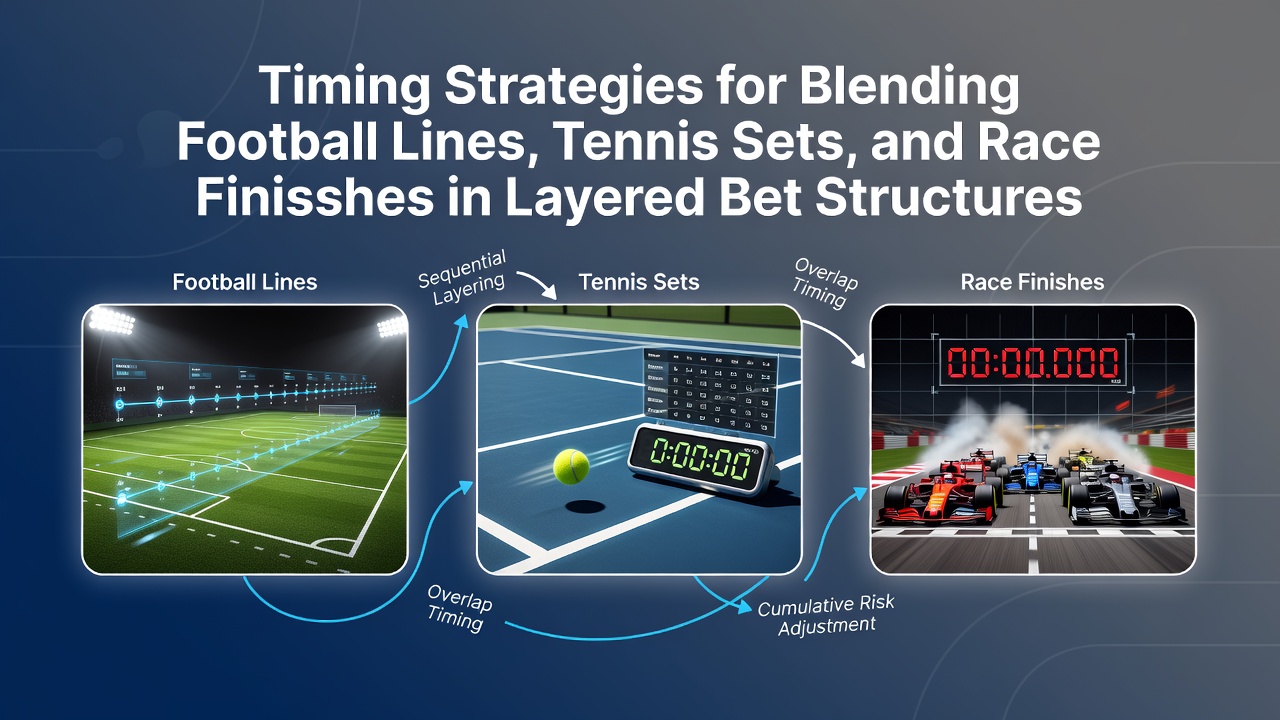
Coordinating bet placements across football match lines, tennis set progressions, and horse race finishes requires precise attention to event durations and odds fluctuations in layered accumulator formats, where each component contributes to the overall payout multiplier structure.
Mapping Individual Sport Timelines
Football matches typically unfold over 90 minutes of play plus added time, with line movements often accelerating during half-time intervals and injury reports, while tennis sets vary between 30 minutes for decisive breaks and over an hour in extended rallies, creating windows where live odds shift based on player momentum data, and horse races last between one and three minutes from gate to finish, with final odds locking in the moments before the off.
Those who study these patterns note that pre-match football lines tend to stabilize 24 hours before kickoff according to industry reports, yet in-play adjustments occur rapidly once teams take the field, whereas tennis betting markets respond to set-by-set score updates that can trigger rapid recalibrations in accumulator layers.
Building Layered Structures Through Timing Overlaps
Layered bet structures gain complexity when participants align entry points from different sports into a single wager slip, such as placing a football half-time line bet alongside an ongoing tennis set and a scheduled race finish, where the staggered completion times determine when partial payouts or adjustments apply. Data from regulatory filings indicate that multi-sport accumulators account for rising portions of total handle in several markets, with timing synchronization serving as the mechanism that prevents premature market closures from disrupting the chain.
Observers have documented cases where bettors monitor live tennis scores during a football match's opening period, then shift focus to race results that conclude shortly afterward, allowing each layer to feed into the next without overlapping settlement delays. In August 2026, volume figures from multiple operators revealed increased activity in such combined structures during major tournaments that featured concurrent scheduling across these three disciplines.
Adjusting for Live Market Movements
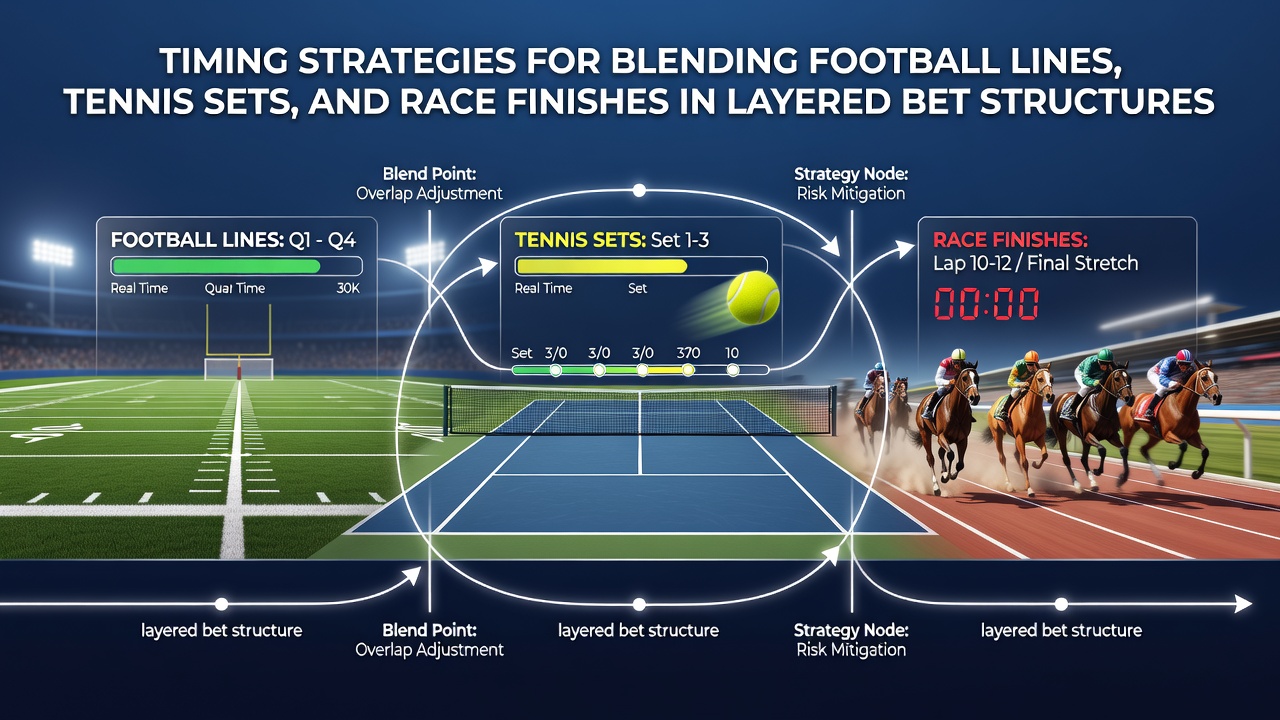
Live odds platforms update football lines after each goal or substitution, tennis set prices after every game point, and racing markets in the final minutes before post time, so layered bettors often sequence their confirmations to capture favorable movements across all components before any one event concludes. Research from the European Gaming and Betting Association shows that synchronized entries can extend the effective window for value capture when operators release correlated promotions tied to specific time slots.
Those monitoring these dynamics report that combining a football over/under line with a tennis tie-break market and a place bet in racing creates dependencies on accurate clock management, since a delayed race start or an extended tennis set can push settlement beyond the football match's final whistle. Figures from Australian wagering operators highlight similar patterns in cross-code betting during overlapping seasons.
Practical Alignment Methods in Accumulator Construction
One approach involves starting with the longest-duration event, typically the football match, then layering tennis sets that conclude within the same afternoon window, followed by evening race finishes that allow final verification of all prior results. Industry analyses indicate this ordering reduces the risk of partial voids when one market settles while others remain active.
Another documented method tracks average set lengths in tennis tournaments alongside typical race card timings, enabling participants to predict when a combined structure will reach full resolution without extending into overnight periods that carry different settlement rules. The Australian Gambling Research Centre has published data on how such timing considerations influence overall bet volumes during peak multi-sport weekends.
Conclusion
Effective coordination of football lines, tennis sets, and race finishes within layered bet structures hinges on understanding each sport's temporal characteristics and the platforms that facilitate simultaneous monitoring, with August 2026 data underscoring continued growth in these combined formats across regulated markets.